paint

In the world of color manufacturing, selecting the right pigment has a direct impact on the quality, durability, and visual appeal of the final product.
At Nilchem, as a specialized manufacturer of mineral and organic pigments, we have been working alongside paint and coating producers for years, providing precise and practical solutions.

Below, you can explore our comprehensive guide on the application of pigments across different sectors of the paint and coatings industry.

If needed, you can also benefit from our consulting services to achieve a more accurate and optimized pigment selection.

Main Applications of Pigments in Paint Manufacturing

کاربرد رنگدانه در رنگ‌های ساختمانی

Construction colors

In the production of building paints, pigments with high stability against sunlight, moisture, and environmental pollution are used. The mineral pigments produced at Nilgun have high light resistance and optimal, high-quality coverage for this industry.
کاربرد رنگدانه در رنگ‌های خودرویی

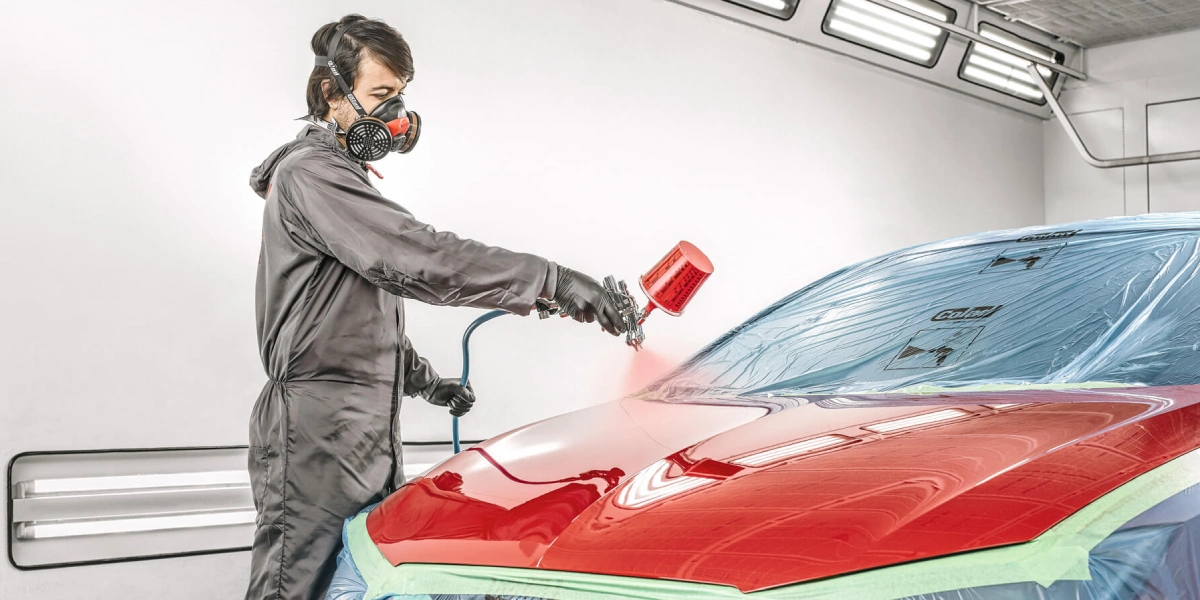
Automotive colors

In automotive paints, color clarity, resistance to UV rays, chemicals, and environmental conditions are very important. Nilgun Pigments meets the exacting needs of this industry by providing high purity organic pigments as well as metallic pigments.

کاربرد رنگدانه در رنگ های صنعتی و ضدخوردگی

Industrial and anti-corrosion paints

Industrial paint products require pigments with high resistance to heat, corrosion, acids and bases. We offer pigments with stable and non-reactive structures that are used in epoxy, polyurethane and heavy industrial paints.

کاربرد رنگدانه در رنگ‌های پودری

Powder Coatings

In powder coating systems, uniform pigment distribution and high heat resistance are important. Nilgun's pigments with high decomposition temperature and good dispersibility are a safe choice for this type of coating.

قیمت و خرید انواع رنگدانه مناسب صنایع رنگسازی - نیلگون رنگدانه

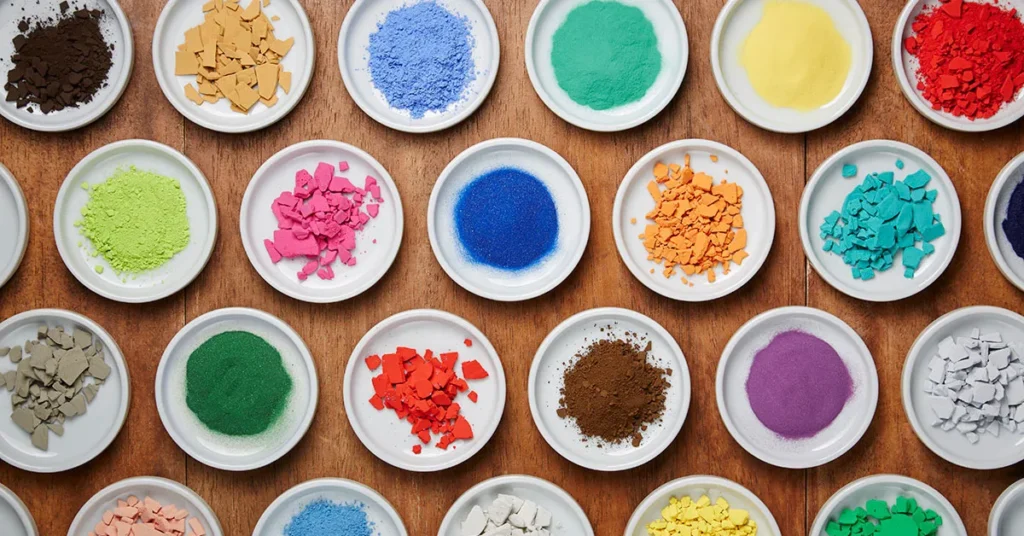
Choosing the right pigment for coloring

At Nilgun Pigments, we offer you specialized advice on pigment selection based on the type of application, environmental conditions, and expected technical properties. Some of the factors that influence pigment selection include:

  • Light and UV resistance
  • Thermal stability
  • Particle size and uniform distribution
  • Compatibility with base resins
    Opacity
  • Price and long-term availability

🧪 How to make pigment in Nilgun Pigment

At Nilgun Pigments, we produce pigments with high quality, color stability, and environmental sustainability using precise formulations and advanced equipment. The pigment production process depends on its type (organic or inorganic), but the general principles are as follows:

🔷(Inorganic Pigments)

Inorganic pigments are usually obtained from metal compounds and have high optical, thermal and chemical stability.

Selection of inorganic raw materials: metals and oxides such as iron oxide, chromium, titanium, manganese

Milling and micronization: reduction of particle size to improve dispersibility in resin or color bases

Calcination (high temperature firing): firing of minerals at temperatures of 800 to 1200 degrees to form a stable crystal structure

Cooling and screening: control of particle size and removal of impurities

Surface treatment (if required): to improve dispersibility in aqueous or oil systems

🔶(Organic Pigments)

Organic pigments are made from complex organic compounds and have vivid, transparent and very diverse colors. They are mostly used in decorative, printing and automotive paints.

Pigment chemical synthesis: Reaction between organic derivatives (e.g. azo, phthalocyanine, indolines) to form a color structure

Precipitation: Purification and settling of the color compound from the reaction solution

Washing and filtration: To remove impurities and purify the pigment

Drying and grinding: Converting the precipitate into a fine, dispersible powder

Surface coating (if required): To increase stability, prevent caking and improve compatibility with resins

🎯 Quality control in pigment blue

At all stages of production, rigorous tests are carried out to control the following:

Hiding Power
Light and Thermal Stability
Particle Size and Distribution
Compatibility with Water and Oil Based Systems
Heavy Metal Content (for Sensitive Uses)

مشتریان ما

Stay in touch with us

This field is for validation purposes and should be left unchanged.

Leave a Reply

Your email address will not be published. Required fields are marked *

Drop files here or
Max. file size: 128 MB.
    This field is for validation purposes and should be left unchanged.

    Drop files here or
    Max. file size: 128 MB.
      This field is for validation purposes and should be left unchanged.